The United States has taken a significant step by labeling Brazil’s two foremost criminal organizations, the First Capital Command (PCC) and the Red Command, as foreign terrorist entities. This classification arises from their deep involvement in drug trafficking, organized crime, and the potential threat they pose to regional security. The designation aligns these groups with other notorious criminal networks in the region that have previously been identified similarly.
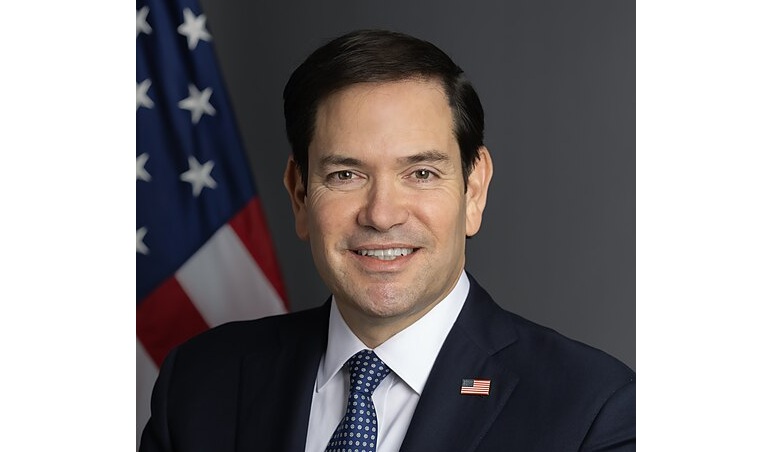
According to US Secretary of State Marco Rubio, the PCC and the Red Command are not only among the most violent organizations in Brazil but have also extended their reach across Latin America and into the United States. Both groups trace their origins to Brazil’s prison system, where they began before evolving into extensive transnational crime syndicates. They play a crucial role in the illicit cocaine trade, channeling the drug from neighboring countries to lucrative markets in North America and Europe.
In Brazil, President Luiz Inácio Lula da Silva has expressed opposition to this US decision. He argues that Brazil already possesses the necessary mechanisms to tackle organized crime within its borders. Lula da Silva also raises concerns about the implications for national sovereignty. Despite these reservations, Brazilian authorities have recently intensified efforts against PCC operations, particularly focusing on their alleged infiltration into the financial sector.
This US move is set to create political ripples in Brazil, especially with the presidential election on the horizon. Opposition parties have largely welcomed the designation, viewing it as a robust international stance against organized crime. However, experts are still analyzing the practical consequences of this label, particularly regarding its effects on financial transactions and the broader scope of regional security collaboration.