
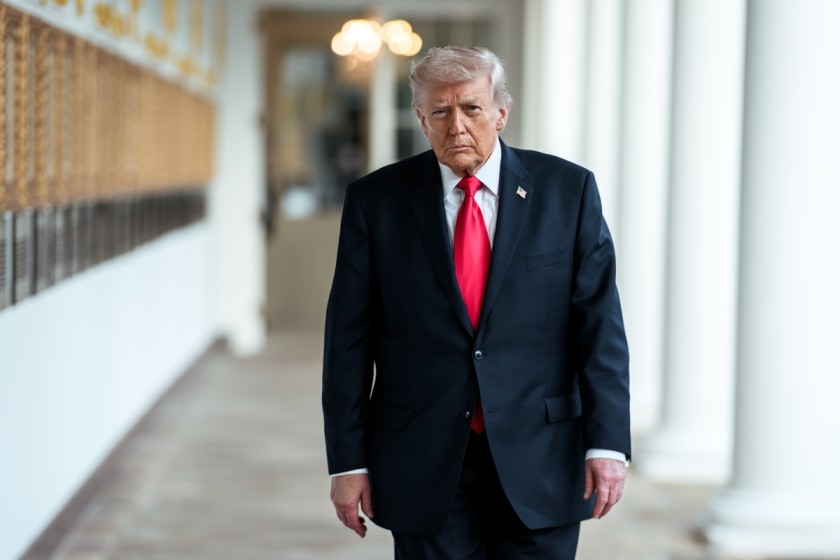
Tensions flared in Switzerland as U.S.-Iran negotiations encountered a setback, following remarks by U.S. President Donald Trump targeting Iran’s support for Hezbollah. These comments prompted the Iranian delegation to temporarily exit the talks venue. Trump had issued a stern warning to Tehran, urging it to halt Hezbollah’s actions in Lebanon and cautioning that continued instability might provoke military intervention. In a firm response, Iranian officials asserted that their military was poised to counter any threats.
Despite the temporary departure of the Iranian team, diplomatic insiders reported that Tehran was still participating in the talks and had not officially exited the negotiations. The discussions are part of efforts to implement a recent memorandum of understanding between the U.S. and Iran, and aim to lay the groundwork for more comprehensive negotiations. Iranian representatives highlighted that the initial phase of the talks centered on the memorandum’s execution and the ongoing situation in Lebanon, rather than focusing on Iran’s nuclear activities.
The negotiations occur against a backdrop of heightened regional tensions, marked by clashes involving Hezbollah and Israel, as well as concerns over the potential for disruptions in the Strait of Hormuz. While Iran has consistently affirmed its right to enrich uranium, it maintains that it is not pursuing the development of nuclear weapons.
Despite the challenges, both nations are endeavoring to keep diplomatic channels open. However, significant hurdles remain, notably disagreements over regional security matters and persistent violence in Lebanon, which complicate the path to a sustainable agreement. The complex geopolitical landscape continues to test the resolve and diplomatic strategies of both parties involved.