
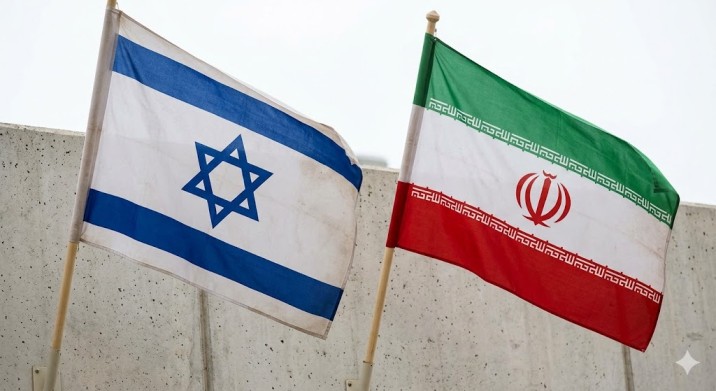
Tensions flared anew between Israel and Iran on Monday as both nations launched fresh military assaults, jeopardizing a ceasefire that had been in place since April 8. The renewed conflict raises fears of a broader Middle Eastern war as hostilities threaten to expand beyond the immediate region.
The Israeli military initiated airstrikes on several Iranian locations following a barrage of Iranian missiles targeting northern Israel. This marked the first direct military confrontation between the two countries since the ceasefire was established. Iran reported explosions in major cities, including Tehran, Isfahan, Karaj, and Tabriz, as Israeli forces claimed to have hit military infrastructure and air defense installations, including a petrochemical facility.
In response, Iran’s Islamic Revolutionary Guard Corps (IRGC) announced missile strikes on two Israeli military bases, dubbing the operation “Nasr” (“Victory”). Israel responded by intercepting several missiles aimed at its territory, with explosions reported around Jerusalem. While there was damage to homes in a West Bank settlement, no injuries were reported.
This uptick in violence occurs amidst heightened tensions as efforts to broker a more comprehensive peace agreement continue. Iranian leaders have accused the United States of either being complicit in or supportive of Israel’s military actions, cautioning that these developments could undermine ongoing diplomatic talks.
Adding to the regional instability, Yemen’s Houthi movement declared a missile attack against Israel and announced a prohibition on Israeli-affiliated shipping in the Red Sea, sparking concerns about possible disruptions to this crucial maritime trade route. The escalating conflict has also rattled global markets, with Brent crude oil prices soaring by $3.50 to $96.59 a barrel. Asian stock markets have reacted negatively, reflecting fears over potential energy supply disruptions and regional insecurity.