
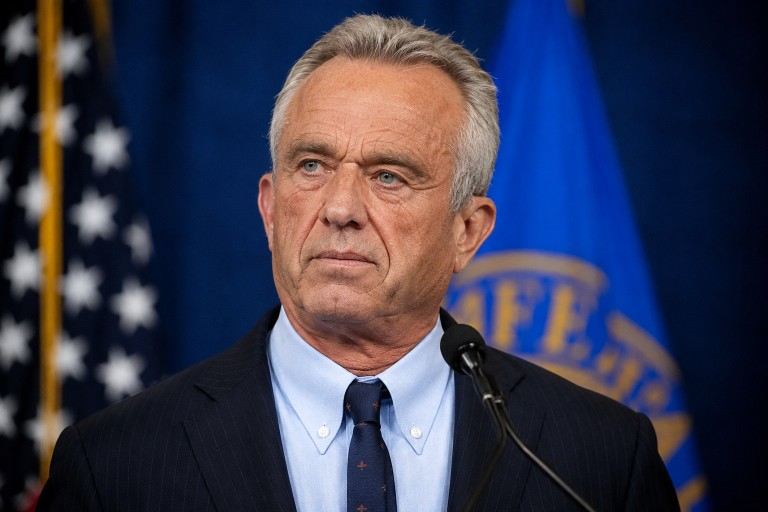
Calls for enhanced Alzheimer’s disease screening have been intensified by U.S. Health Secretary Robert F. Kennedy Jr., who emphasizes the importance of early detection. Despite this push, experts highlight that the advancement of preventive health measures is facing hurdles due to the inactivity of a key federal advisory panel, which has not convened in over a year. This panel plays a crucial role in evaluating health recommendations, and its absence has raised concerns about the progress of Alzheimer’s screening initiatives.
Currently, there is a lack of widespread agreement among researchers regarding the implementation of routine Alzheimer’s screening for asymptomatic individuals. They stress the necessity of acquiring more scientific data before endorsing such widespread screening. Continued research is deemed vital for the development of dependable and efficient screening methods that could transform early detection practices for the disease.
In addition to these challenges, scientists are worried about the impact of funding disruptions and research program delays on the development of new diagnostic tools. These tools include promising innovations like blood-based biomarkers, which hold the potential to identify Alzheimer’s at an earlier stage. Although there are new tests available for diagnosing patients who already exhibit symptoms, experts caution that these are not yet appropriate for routine use across the entire population.
Despite these obstacles, health officials affirm that the U.S. government remains committed to supporting Alzheimer’s research along with programs aimed at improving diagnosis, treatment, and patient care. Nonetheless, researchers underscore the necessity for stable funding and evidence-based policy decisions, which are seen as essential components for advancing research and developing more effective screening and diagnostic tools for Alzheimer’s disease.