
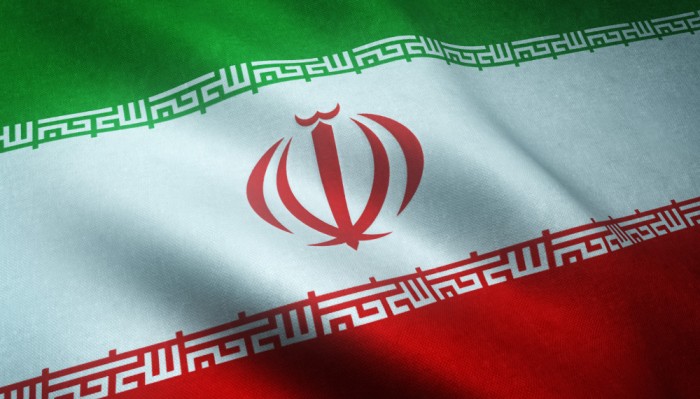
Iran has issued a warning to suspend peace talks with the United States, accusing Israel of breaching a ceasefire agreement through its military activities in Lebanon. The Iranian Foreign Minister, Abbas Araghchi, emphasized that the ceasefire is applicable to all regions, including Lebanon, and signaled that any infraction would be seen as a violation of the entire accord. Tehran is holding both Israel and the United States accountable for any fallout from renewed conflicts.
In reaction to Iran’s stance, U.S. President Donald Trump indicated that Washington had yet to be officially notified of Iran’s intention to pause negotiations. He suggested that a temporary halt in discussions might be manageable and stressed the continuation of the U.S. blockade on Iranian ports while steering clear of immediate military conflict. In efforts to uphold the ceasefire, Trump engaged in talks with Israeli Prime Minister Benjamin Netanyahu and intermediaries associated with Hezbollah. Subsequently, Lebanon confirmed that both Israel and Hezbollah had consented to mutually cease attacks, including those targeting Beirut’s southern suburbs. Despite this, Netanyahu cautioned that Israel would persist in targeting Hezbollah should attacks on Israeli civilians continue.
Tensions escalated when Israel issued evacuation alerts for certain areas of Beirut, prompting Iran to warn that any significant Israeli assault on the Lebanese capital or its southern suburbs would lead to retaliatory strikes against targets within Israel. Iranian authorities also accused the United States of not adhering to ceasefire agreements, pointing to ongoing economic sanctions and military maneuvers as evidence. Tehran has suggested that future negotiations, particularly those concerning its nuclear agenda, will be on hold until broader security issues are resolved.
The rising tensions have heightened uncertainty in the region, simultaneously exerting renewed pressure on global oil markets. As the situation develops, stakeholders are closely monitoring the potential impact on international relations and regional stability. The unfolding events underscore the complexities of diplomatic negotiations and the fragile nature of ceasefire agreements in conflict zones.