
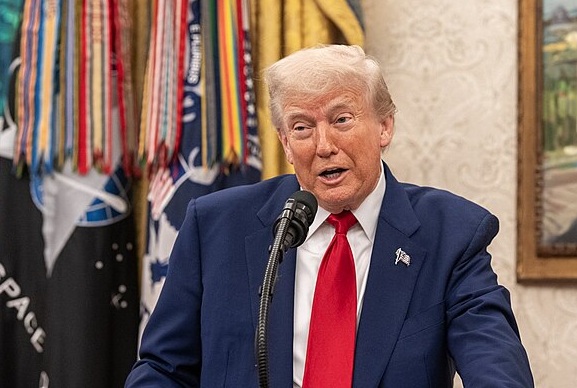
A federal court in the United States has declared that a $100,000 application fee for new H-1B visas, implemented during the administration of President Donald Trump, is unlawful. This decision marks a significant blow to the former administration’s immigration policies. The ruling was delivered by Judge Leo Sorokin in response to a lawsuit initiated by a group of state attorneys general. The court determined that the fee functioned as a tax and that President Trump lacked the necessary authorization from Congress to impose it.
Judge Sorokin concluded that the federal agencies responsible for processing H-1B visas were not legally permitted to enforce the fee, emphasizing that the policy overstepped the boundaries of executive power. He further pointed out the potential adverse effects on critical sectors like healthcare and education, which depend heavily on skilled foreign professionals. In response to the ruling, the Trump administration has announced its intention to appeal, expressing confidence that the decision might eventually be overturned.
The H-1B visa program is designed to allow U.S. employers to hire highly skilled foreign workers in specialized fields. Annually, 65,000 visas are issued under the standard quota, with an additional 20,000 designated for applicants possessing advanced degrees. Indian professionals represent the largest group among H-1B visa recipients. Prior to the introduction of the fee, employers typically incurred several thousand dollars in processing and filing expenses. The $100,000 charge was introduced as a mechanism to reduce dependency on foreign labor and promote the hiring of American workers.
The court’s decision signifies that the contentious fee cannot be enforced unless the appeals process results in a reversal. This development underscores the ongoing legal challenges tied to immigration policy changes implemented during the Trump era. As the legal proceedings unfold, the future of the fee and its implications for employers and foreign professionals remain uncertain.