
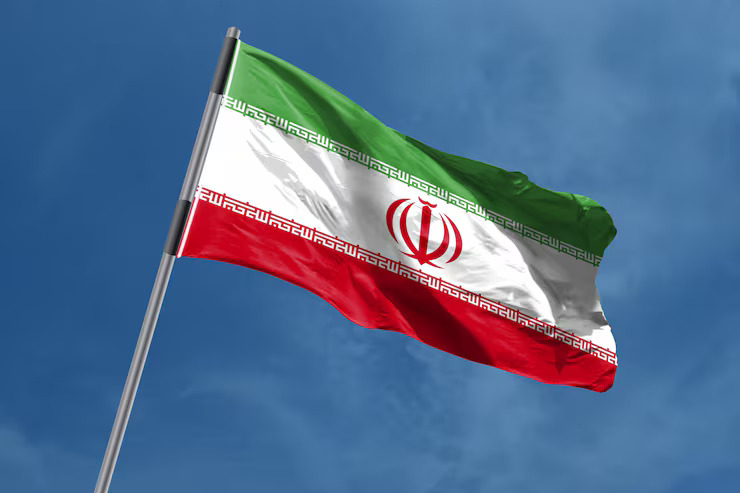
The fragile peace in the Middle East is under threat once more as military tensions between the United States and Iran have flared up. The US military reported that it intercepted four Iranian drones that were on a course toward the strategically vital Strait of Hormuz. In response, US forces launched strikes targeting Iranian coastal radar sites, asserting that these actions were crucial to safeguarding maritime navigation in the region and preventing further hostilities.
Iran’s Revolutionary Guards retaliated by launching attacks on US military facilities situated in the Gulf area. The ensuing escalation prompted Kuwait and Bahrain to initiate air raid alerts and bolster their security protocols. According to US sources, Iran fired seven ballistic missiles directed at Kuwait and Bahrain, of which six were successfully intercepted, while the seventh failed to make contact with its intended target. The US military confirmed that no American personnel were injured and refuted Iranian allegations that a significant US naval base in Bahrain had sustained damage.
This latest bout of military exchanges occurs amidst ongoing diplomatic attempts to uphold and extend a ceasefire agreement, with negotiations over Iran’s nuclear program continuing. Despite ongoing talks, fundamental differences persist between the two nations, posing significant challenges to the prospect of achieving a more durable agreement.
US President Donald Trump noted that while discussions with Iran are progressing, the path to reaching a comprehensive deal remains fraught with difficulty. He also highlighted that despite the prolonged conflict, Iran still possesses a considerable portion of its missile and drone arsenal.
Furthermore, the situation in Lebanon adds to the regional complexity, as renewed skirmishes between Israeli forces and armed groups contribute to the uncertainty surrounding peace efforts. The continuous violence in Lebanon complicates the broader initiative to secure a sustainable and wide-reaching ceasefire in the Middle East.