
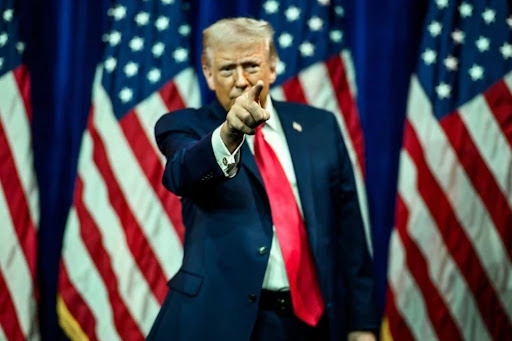
A pointed warning from President Donald Trump on Thursday placed the Middle East conflict at a potential turning point, as the US president demanded that Iran’s leaders stop treating peace negotiations as a game. Writing on Truth Social, Trump alleged that Iranian diplomats were privately desperate for a settlement while their government publicly described itself as merely reviewing Washington’s 15-point ceasefire proposal. The discrepancy, Trump said, was unacceptable and time was running out.
The US proposal spans 15 points and provides a comprehensive framework for ending the conflict and addressing long-standing security concerns. Central elements include the lifting of sanctions as a major incentive for Iran, the elimination of its nuclear weapons programme, restrictions on missile development, and a binding commitment to open passage through the Strait of Hormuz. This critically important waterway facilitates the movement of about 20 percent of world oil supplies.
Iran’s state television has aired the country’s own proposal, which focuses on security guarantees and recognition of Iranian sovereignty. Tehran wants its officials to be protected from military strikes, a guarantee that no future war will be launched against it, compensation for the damage caused by the conflict, and recognised authority over the Strait of Hormuz. These demands reflect a very different set of priorities from those embedded in the American proposal.
The conflict has devastated communities on all sides. More than 1,500 people have been killed in Iran, nearly 1,100 in Lebanon, and dozens have died in Israel and other affected areas. Thirteen American military personnel have also been killed, and millions of civilians have been displaced across Iran and Lebanon, creating a humanitarian emergency that is worsening by the day.
Trump’s characterisation of the situation as potentially reaching a point of “no turning back” underlines the gravity of the current moment. Whether Tehran responds to this warning with a genuine change in its negotiating posture or doubles down on its stated position will have profound implications for the region and beyond. The world is watching as one of the most significant geopolitical crises of recent years approaches a critical decision point.