
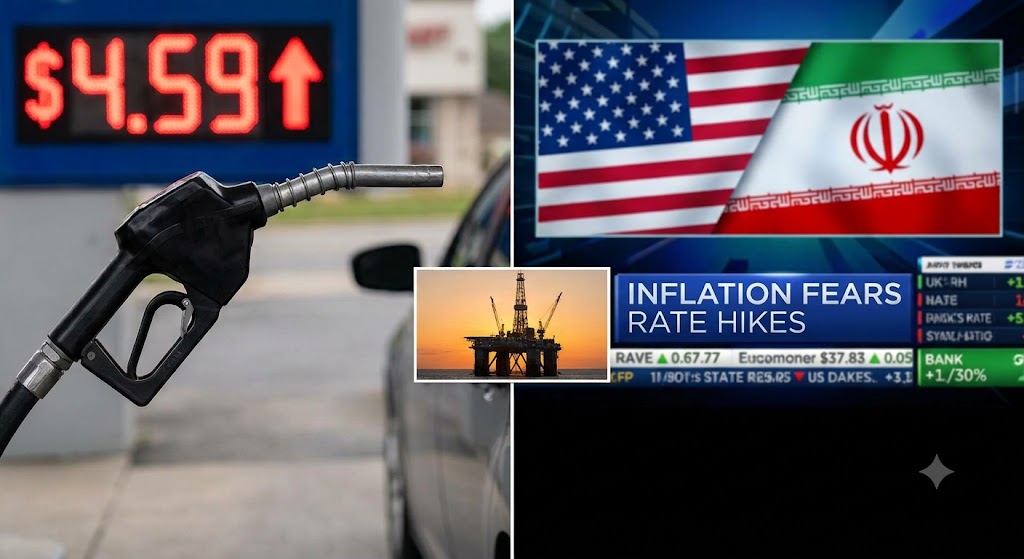
In the wake of renewed military tensions between the United States and Iran, global oil and gas prices have experienced a significant surge. This escalation in prices comes amid rising concerns over the stability of energy supplies and the potential impact on inflation. Brent crude, a key indicator of global oil prices, saw a sharp increase, reaching its highest point in over a month. However, prices later retreated when U.S. President Donald Trump decided against implementing a proposed 20% fee on ships traversing the crucial Strait of Hormuz.
The fluctuations in oil prices are also influencing financial markets and economic forecasts. Expectations are growing that major central banks, such as the Bank of England and the European Central Bank, might consider raising interest rates later in the year to address inflationary pressures. As a result, bond yields have moved upward, reflecting market adjustments to the possibility of tighter monetary policy in response to inflationary trends.
Initially, European stock markets reacted negatively, experiencing declines due to worries over the potential shipping levy. However, these markets later regained some stability as fears of the proposed fee’s implementation subsided. The broader economic implications of the situation remain a focal point for investors and policymakers alike, as they assess the ongoing geopolitical dynamics and their potential effects on global markets.
Economic analysts are keeping a close eye on the Middle East, noting that persistent tensions in the region could lead to continued volatility in energy markets. Such instability is likely to have a ripple effect on global inflation rates and the monetary policy decisions of central banks around the world. The interplay between geopolitical developments and economic indicators will be crucial in shaping the financial landscape in the coming months.