
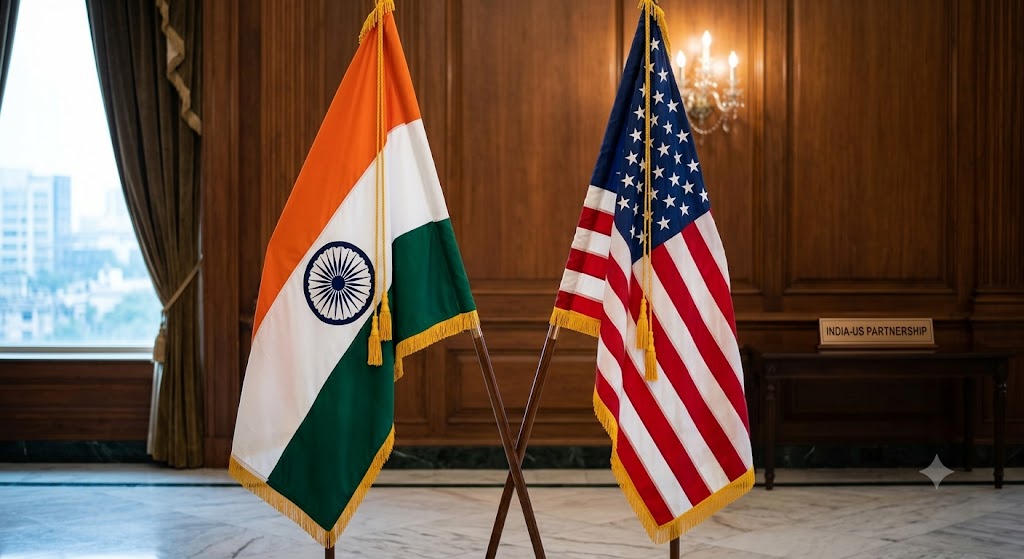
In a renewed effort to settle key trade differences, India and the United States have resumed their negotiations aimed at finalizing an interim trade agreement. As both nations work against the clock with a tariff deadline looming, they remain optimistic about overcoming the few remaining hurdles. Officials from both sides have indicated that, after months of discussions, only minor issues stand in the way of reaching a consensus on the bilateral trade deal.
The trade discussions initially set an ambitious target of increasing bilateral trade to over $500 billion by the year 2030. However, the process encountered setbacks when the United States imposed new tariffs on Indian products, significantly raising duties on select goods. Earlier proposals had considered lowering tariffs on Indian exports, but legal challenges in the U.S. delayed their implementation. This new agreement seeks to address these obstacles by having India reduce tariffs on specific American industrial and agricultural goods, while the U.S. would reciprocate by cutting duties on Indian exports.
Negotiators are still grappling with agriculture-related disagreements, a major sticking point in the talks. The United States is pushing for greater market access for its farm exports, but India remains cautious, citing concerns about the impact on local farmers and strict food regulations. Sensitive sectors such as dairy, wheat, rice, and poultry are particularly protected due to domestic agricultural priorities, making it a complex issue to resolve.
A successful trade agreement between the two countries could significantly improve their economic relations. It would not only enhance India’s competitive position against other exporters but also align with the shared objective of expanding economic ties. Both countries view this agreement as a pivotal step toward cementing a robust trade partnership that can weather future economic challenges.