
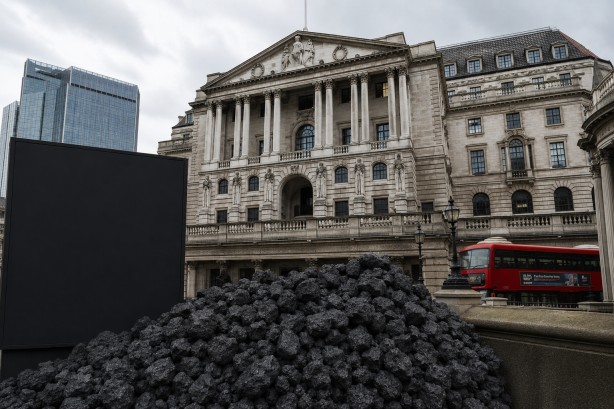
In a notable move to mitigate climate-related financial risks, the Bank of England has declared that starting in October, it will no longer accept bonds linked to thermal coal companies as collateral in its lending operations. This decision marks a significant step by the central bank to align its policies with the global transition toward cleaner energy sources and net-zero emissions.
Central banks, including the Bank of England, typically allow commercial banks to use bonds as collateral when they borrow funds to manage routine operations and facilitate transactions. However, with this new policy, any bonds associated with thermal coal—the type of fossil fuel widely utilized in power plants for electricity generation—will no longer be deemed acceptable. The central bank has cited the increasing financial risks faced by companies involved in thermal coal as nations worldwide expedite their efforts to adopt sustainable energy solutions.
The Bank of England also retains the discretion to apply discounts to bonds from various sectors that are susceptible to climate risks, a move aimed at safeguarding its balance sheet against potential financial losses. This comprehensive strategy not only addresses coal-related assets that may depreciate over time but also signals the institution’s broader commitment to assessing climate risks across industries.
Environmental advocates have applauded the Bank of England’s decision, viewing it as a powerful message to financial markets that may urge commercial banks to lessen their investments in highly polluting sectors. This policy aligns with a growing global trend, as over 150 major financial institutions have already placed restrictions on their dealings with the thermal coal industry.
Experts suggest that the ultimate impact of this policy will largely depend on the methodologies employed to evaluate climate risks and whether such measures will eventually extend to other environmentally detrimental activities. As the financial sector increasingly adapts to incorporate climate considerations, the Bank of England’s actions could serve as a precedent for future regulatory frameworks.